| Issue · November 2026 |
Learning Journey |
InTouch
Stay Informed. Stay Inspired. Stay In Touch.
|
|
|
This Month’s Idea · Respond
There is more than one way to respond.
|
| By November, we've had time to get to know the learners in front of us. We've observed, assessed, listened, and begun to recognize patterns. We know more than we did at the beginning of the year, and that understanding creates opportunities to respond. Responsiveness is already woven into the everyday work of teaching. It happens when we offer feedback, adjust an explanation, or find another way for a learner to participate. But as screening results come in and IEPs take shape, we have new information to consider and new decisions to make. With so much information, it's tempting to jump straight to finding solutions. Sometimes, though, the most useful next step is to pause. To consider what we know, what we might be missing, and the different ways we could respond. We might adjust instruction, focus on a particular skill, change something in the learning environment, gather more information, or draw on the expertise of others. Each offers a different way forward, depending on the learner and the context. Pausing doesn't mean putting support on hold. It gives us room to see the whole learner, recognize the knowledge and resources already around us, and make thoughtful choices. Then we pay attention to what happens, learn from the results, and adjust when needed. Being responsive isn't about having an immediate answer. It's about understanding our choices and finding a meaningful way forward. |
Thinkpoint
When faced with a learner's needs, which responses do you tend to reach for first?
What other possibilities might be worth considering?
|
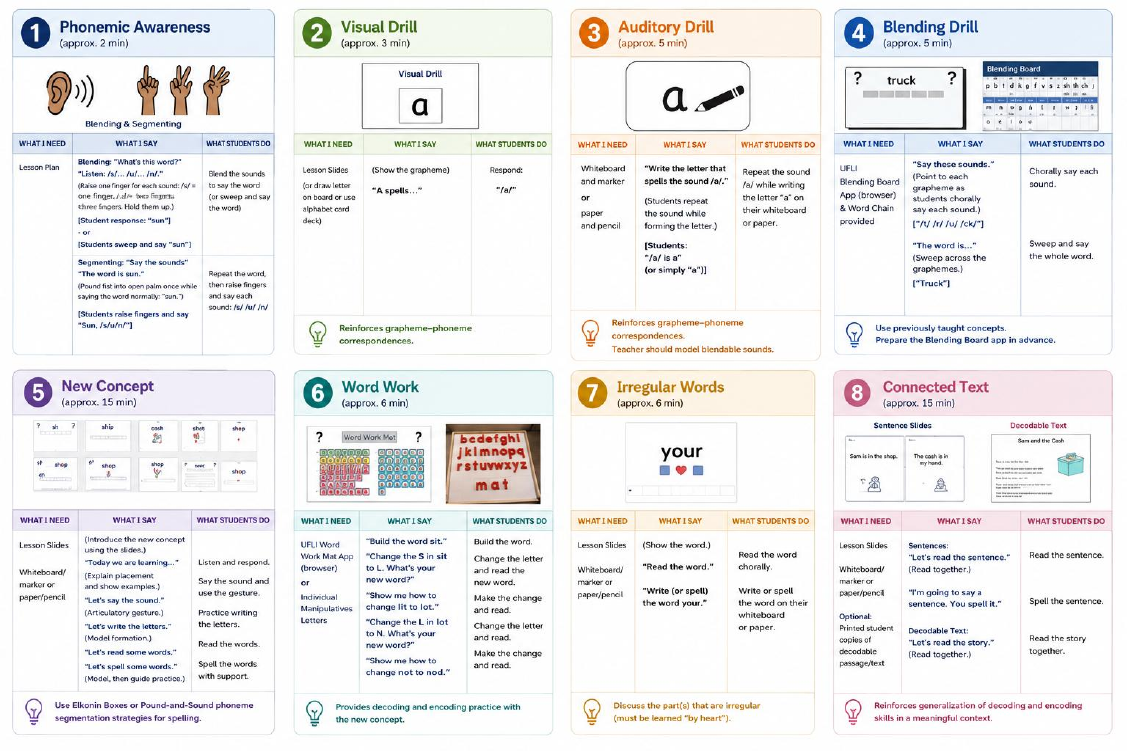
| One Thing to Try Pause. Consider your options. Choose a response.Think about one learner or instructional challenge you're currently working through. What do I know?Consider the evidence, the learner's strengths, and what has already been tried. Perhaps screening results point to difficulties with phonemic awareness, decoding, or reading fluency. What are my options?Would focused instruction in a particular skill help? Is more assessment needed to understand where the difficulty begins? Could a change to the learning environment, additional practice, or another perspective make a difference? What would help?Consider the time, tools, people, and resources available to support your next step. Choose one response and decide what you'll look for to know whether it's helping. Sometimes the next step is a targeted instructional change. Sometimes it's gathering information that helps us choose more confidently. | For School & System Leaders Make room for the response.Assessment results and newly developed plans can bring a sense of urgency. There may be many needs to address and no shortage of competing priorities. Before deciding what needs to change, begin with the educators who know the learners. What have they already noticed or tried? What approaches do they think might help? What time, tools, collaboration, or additional expertise would make those responses possible? A responsive system doesn't simply identify needs. It creates the conditions for educators to respond thoughtfully and effectively. | One Thing From Us | From screening results to instructionFall screening results may reveal learners who need additional support in foundational reading skills. Looking more closely at phonemic awareness, letter-sound knowledge, decoding, and reading fluency can help identify where instruction should begin. Once we've identified a skill to target, having a consistent instructional routine can make responding easier. Our UFLI 8-Step Quick Guide provides an at-a-glance reference for each lesson step, including sample teacher prompts, expected student responses, approximate timings, and practical implementation tips.
Whether you're new to UFLI or looking for a quick reminder, the guide can support explicit, structured instruction and help turn assessment information into purposeful practice. | InFocus When the Answer Leads to Another QuestionA classroom teacher identified a learner as potentially at risk in reading and requested screening. When the screening took place, the learner was found to be reading at grade level. The results provided useful information, but they didn't necessarily resolve the teacher's original concern. Was the learner having difficulty completing assignments? Participating in discussions? Were attendance gaps affecting their classroom experience? Was something else happening? The screening results didn't mean the teacher's observations were unimportant. They offered another piece of information and opened up different questions. Without that additional information, the response might have been an unnecessary reading intervention. Instead, the results created an opportunity to pause, reconsider what the learner might need, and explore other possibilities. Sometimes the most useful response is to ask another question. | When More Information Would Help Sometimes another perspective can help.When classroom observations, screening results, and instructional responses leave important questions unanswered, additional expertise can help us see the learner more fully. Harrison McNaughtan is available to travel to schools and communities to provide psychoeducational assessments that can deepen understanding of a learner's strengths and needs and help inform next steps. Additional assessment can complement the support already happening in classrooms. | Ask Us What are you trying to respond to?At a recent conference, we heard educators and leaders exploring a wide range of questions. Some were looking for ways to support students experiencing difficulties with writing. Others were considering how to provide meaningful reading remediation for students entering Grade 9. School and system leaders were exploring professional learning opportunities to support their teams. Different questions, different contexts, and different possibilities for responding. At Learn Different, we work alongside educators and education systems to explore those possibilities, connecting research, assessment, instructional resources, and professional expertise with local knowledge and priorities. We welcome your questions. They help shape the conversations, resources, and supports we develop alongside educators and communities. | Keeping in Touch Professional Learning Through Connected NorthLooking for practical ways to strengthen your response to learner needs? Learn Different offers one-hour professional learning sessions through Connected North, connecting educational research with everyday classroom practice. Sessions explore the Science of Reading, foundational reading skills — phonemic awareness, phonics, decoding, fluency, and comprehension — and IEPs in practice: moving from written goals to meaningful classroom supports and instruction. | |
Stay InTouch
Where We’ll Be
November 2026Chiefs of Ontario | November 3–5 | Thunder Bay, Ontario Reading for All: Research, Practice and Policy in Conversation — a literacy research forum hosted by Dyslexia Canada | November 17 | OISE, Toronto Indspire National Gathering | November 18–20 | Winnipeg, Manitoba Looking Ahead to DecemberCouncil for Exceptional Children (CEC) | December 4–5 | Toronto, Ontario If you're attending any of these events, we'd love to connect!
Connecting With Us
At Learn Different, we believe meaningful change begins with relationships, curiosity, and a willingness to learn together. We work alongside educators, schools, and communities to connect research, assessment, and professional learning with the realities of teaching and learning.
Empowering educators, transforming learning.
learndifferent.org
info@learndifferent.ca
askus@learndifferent.org
Know someone who would enjoy InTouch?
Forward this to a colleague—or sign up to get InTouch in your own inbox each month.
|
|
One Last Thought
Sometimes the most meaningful next step begins with a moment to consider what else is possible.
|
|
|