Assessment: The art of teaching, and the power we have to act
By Cristol Bailey
Students have been in our care for about two months now. We’ve had time to get to know them, to make general observations and, probably, to draw some conclusions. We notice who gets started right away, who needs a little encouragement and who has become quite skilled at avoiding the work altogether. We begin to put together a picture of the learners in front of us, although without the proper tools, it can be hard to dig beneath what we see on the surface.
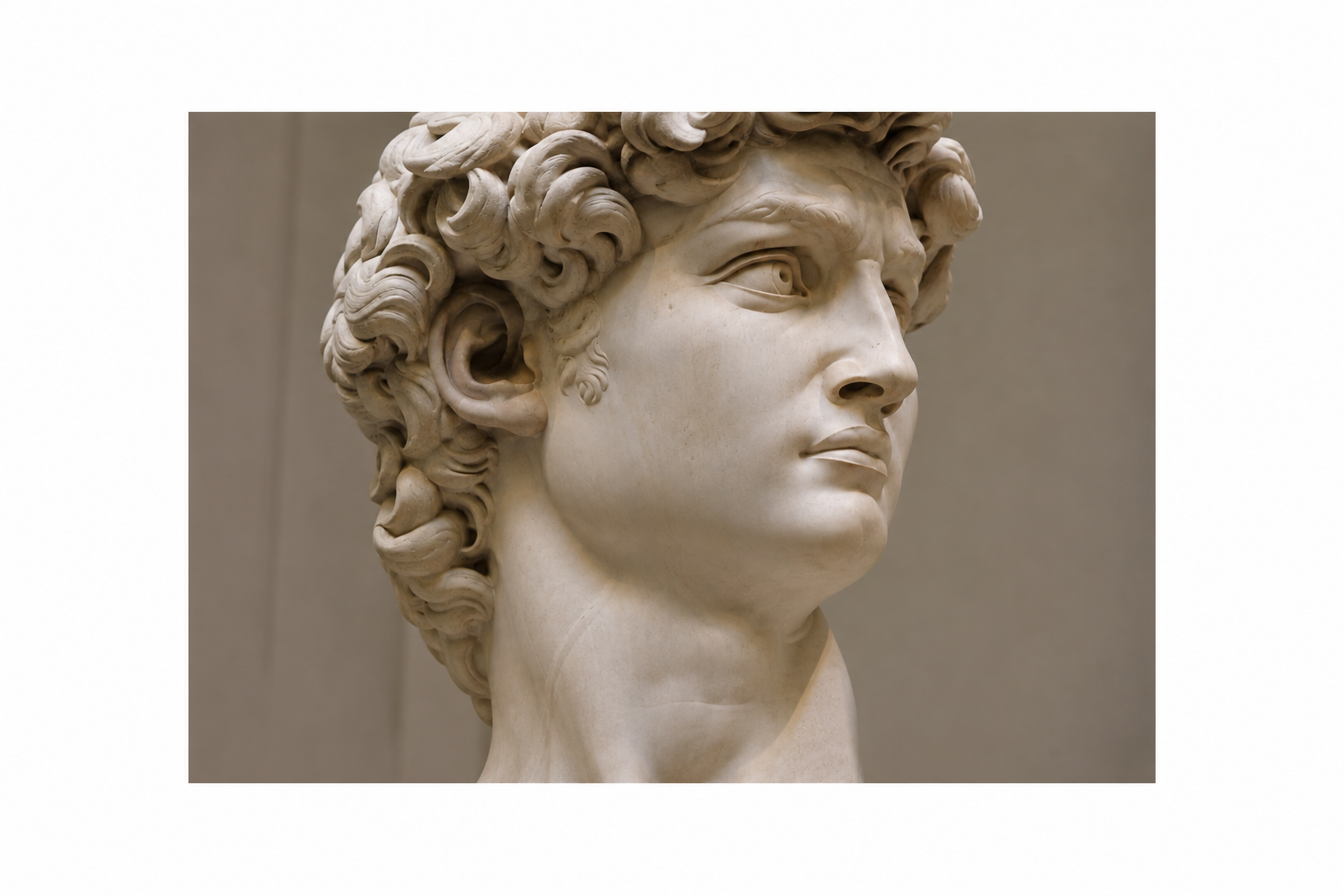
I was reminded of this recently while reading about Michelangelo’s David. Marble begins as limestone, often formed from the accumulated shells and remains of tiny marine organisms, which is transformed over time by heat and pressure. Something we experience as solid and whole can hold the traces of countless small lives within it.
Our students come to us in much the same way, made up of tiny life and education experiences that have accumulated over time. A story read aloud, a question welcomed or left unanswered, an explanation that made sense, a moment of success or another day of feeling lost: each becomes part of what a student brings into the classroom. Some of these experiences have helped build a strong foundation, while others have left gaps we may not immediately recognize. We meet the student as they are today, but there is much beneath the surface that we haven’t yet had the opportunity to understand.
That is where I find the comparison powerful, because it brings me back to the reason for this work. The purpose of assessment isn’t simply to collect information; it is to see the learner more clearly so that we can respond to what they need.
Seeing what is there
The block of marble that became David had already been worked on by two sculptors before Michelangelo took it on. Their attempts had left it unfinished, and the stone presented challenges that vision alone could not resolve. Michelangelo brought an understanding of anatomy, materials and technique that allowed him to work with what was there and create something extraordinary.
What stays with me is how much the work depended on technical skill. We remember the artist and admire what he created, but the tools in his hands were useful because he knew how to use them. His understanding of the material informed the decisions he made as he worked.
Teachers need that same relationship between knowledge, tools and practice. Caring deeply about a student matters, but care alone doesn’t tell us why reading is difficult or which instruction will help. We need to understand how learning develops, how to recognize where it is breaking down and how to respond with something more precise than another opportunity to try the same task.
Like Michelangelo, teachers are both artists and scientists. We draw on relationships, creativity and judgement while observing closely, gathering evidence and adjusting our approach. These are not separate parts of the work, and neither can fully substitute for the other. Our craft grows when we have opportunities to develop both.
The tools that help us look more closely
Universal screening can help us look beyond the students whose needs are most visible and notice those we might otherwise miss. It gives us a more consistent starting point, although a screener is not a complete account of a learner. Its value is in the questions it helps us ask and the further assessment and instruction it can inform.
So often, a student’s story gets told through poor attendance, difficulty sitting still or work that doesn’t get finished. These observations may be important, but they can also become the explanation we return to without looking further. Assessment evidence gives us a way to test our assumptions, uncover strengths and identify gaps that might be hidden within that familiar narrative.
In the literacy work I’m involved in, I’m seeing how important it is for teachers learning a new screening tool to have support in interpreting the results and connecting them to intervention. Giving someone a tool is a beginning, but it isn’t the same as helping them develop the technical skill to use it well. There needs to be room to learn, to work alongside others and to return to the evidence as instruction unfolds.
When we ask teachers to respond to what they find, we also need to make that response possible. For school and system leaders, this means attending to the conditions in which teachers can deepen their expertise and put it to use, rather than leaving them to work out the next steps on their own.
Working with what is in front of us
At either end of a student’s school experience, there can be reasons to wait or to look elsewhere for a response. An early-years teacher may notice a possible barrier to learning and be encouraged to give the child more time to develop. A secondary teacher may recognize a need for foundational literacy instruction but struggle to find a place for it within courses and credit requirements.
Conversations about Grade 9 literacy intervention at a recent ERDI conference, have reminded me how easily our attention can turn to when the support should have happened. Earlier would have been better, but that doesn’t change the student’s need today.
We can respect differences in development while still investigating what a teacher is noticing, just as we can acknowledge the demands of secondary school while looking for a way to provide the instruction a student needs. The response may require more knowledge, a different tool or help from someone with expertise we don’t yet have. Recognizing that is part of skilled practice, not a reason to doubt the value of our work.
I don’t think we give ourselves enough credit for what becomes possible through these decisions. A well-chosen intervention or a change in instruction can become another small experience in a student’s life, this time one that helps them move forward. We may not see the full effect, but we are contributing to what comes next.
When I look at David’s face, I’m drawn to the moment it holds: his attention turned towards the giant, before the outcome is known. That feels closer to teaching than the certainty we sometimes imagine we ought to have. We bring our knowledge, our tools and our judgement to the work without knowing exactly how it will unfold.
Assessment helps us see what needs our attention, but its value comes from what we do next. As artists and scientists, we have more power to shape that next step than we sometimes give ourselves credit for, and the students in front of us deserve the benefit of what we can create.
As we return to our classrooms and schools, I’d invite us to begin with one learner whose needs we don’t yet fully understand. Look again at the evidence, consider what else we need to know and decide on one instructional response, with a plan to check whether it is helping. If we lead a school or a system, let’s ask what knowledge, time or support would allow the teacher to take that step, and make it available. We don’t need to know the whole outcome to begin, but we do need to do something with what is in front of us.
Let’s connect. If you'd like to explore how assessment can inform instruction and help us better support the students in front of us, I’d love to hear from you. You can reach me at cristol.bailey@learndifferent.org.
About the Author
Cristol Bailey is an educator with more than 25 years of classroom experience and a passion for empowering teachers and students. She helps educators bring together their knowledge, creativity and research-based tools to build on what’s in front of them and find solutions that move student learning forward.